Stockton University’s graduate programs in Coastal Zone Management help students build advanced skills for careers focused on coastal communities and environments. The program combines coastal science with GIS, policy, planning, law and management. Students explore issues such as climate change, development, pollution and the use of coastal resources.
Students can choose a Professional Science Master’s for applied professional work, a research-based Master of Science, or a graduate certificate for focused career growth. Across these options, students build skills in coastal ecosystems, physical processes, policy and technical analysis, with opportunities for fieldwork and research through Stockton’s Marine Field Station and Coastal Research Center.
Advance Your Career in Coastal Zone Management
How can Stockton’s Coastal Zone Management graduate programs build on my undergraduate background?
Stockton’s Coastal Zone Management programs are designed for graduates who want to deepen their knowledge of coastal and environmental issues. Students build on previous preparation in science, mathematics, engineering or related fields through coastal science, GIS, environmental policy, planning and management. The MS, PSM and graduate certificate offer different ways to develop advanced coastal expertise based on your career or research goals.
Why is an interdisciplinary approach important in coastal zone management?
Effective coastal management draws on many areas of knowledge. Stockton’s program connects physical, biological, chemical and geological processes with environmental policy, law, planning and human activity. This approach helps graduate students examine issues such as sea level rise, shoreline development, pollution, habitat change and the use of coastal resources from several perspectives.
What kinds of applied research and field experiences are available?
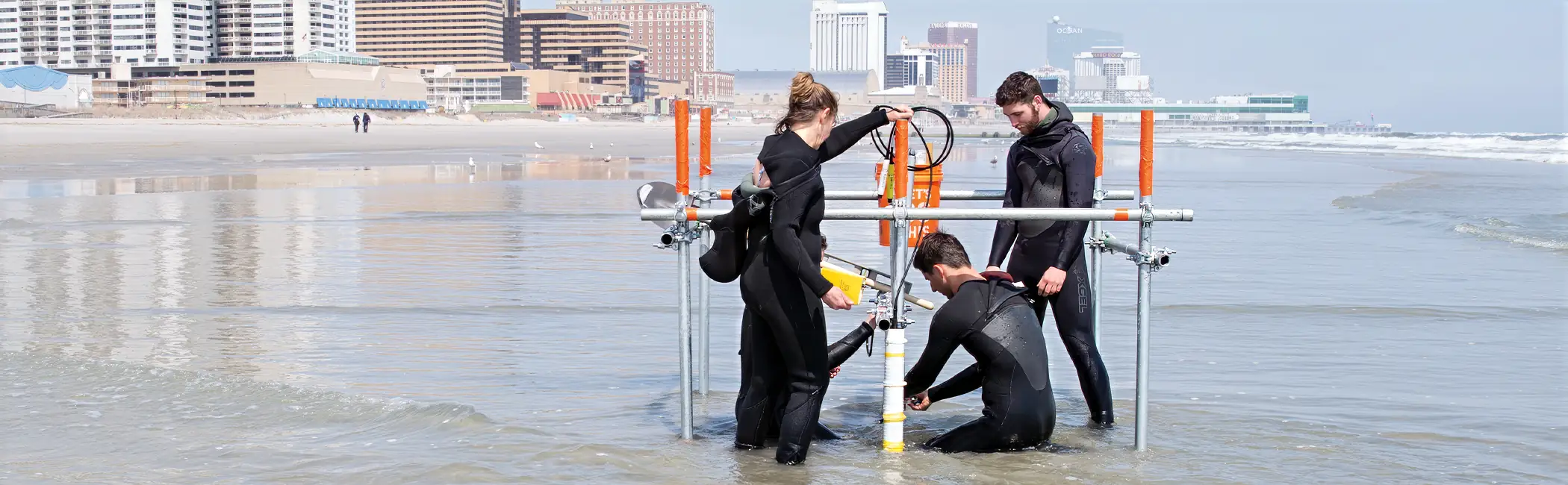
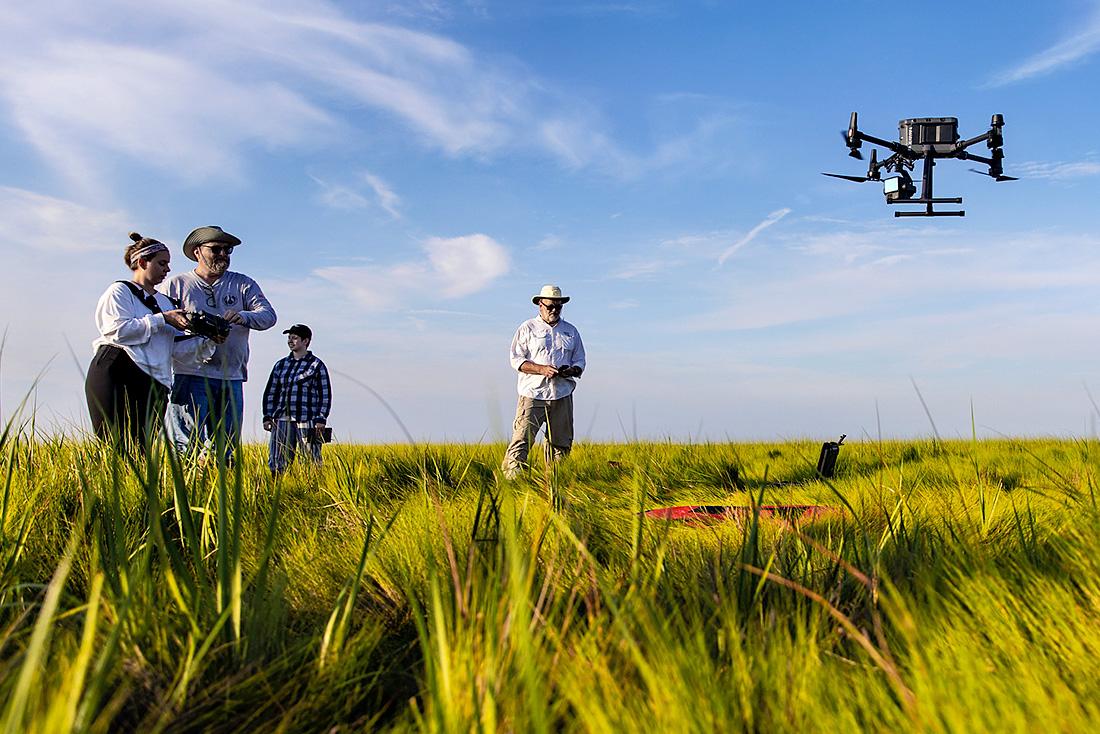
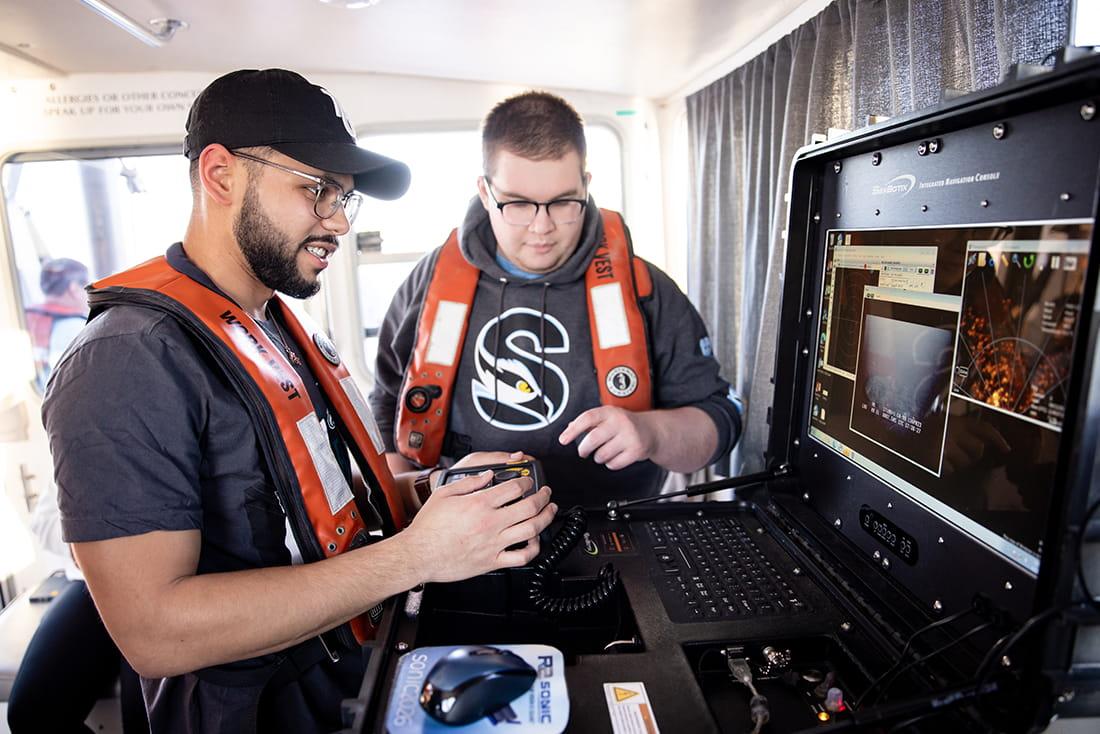
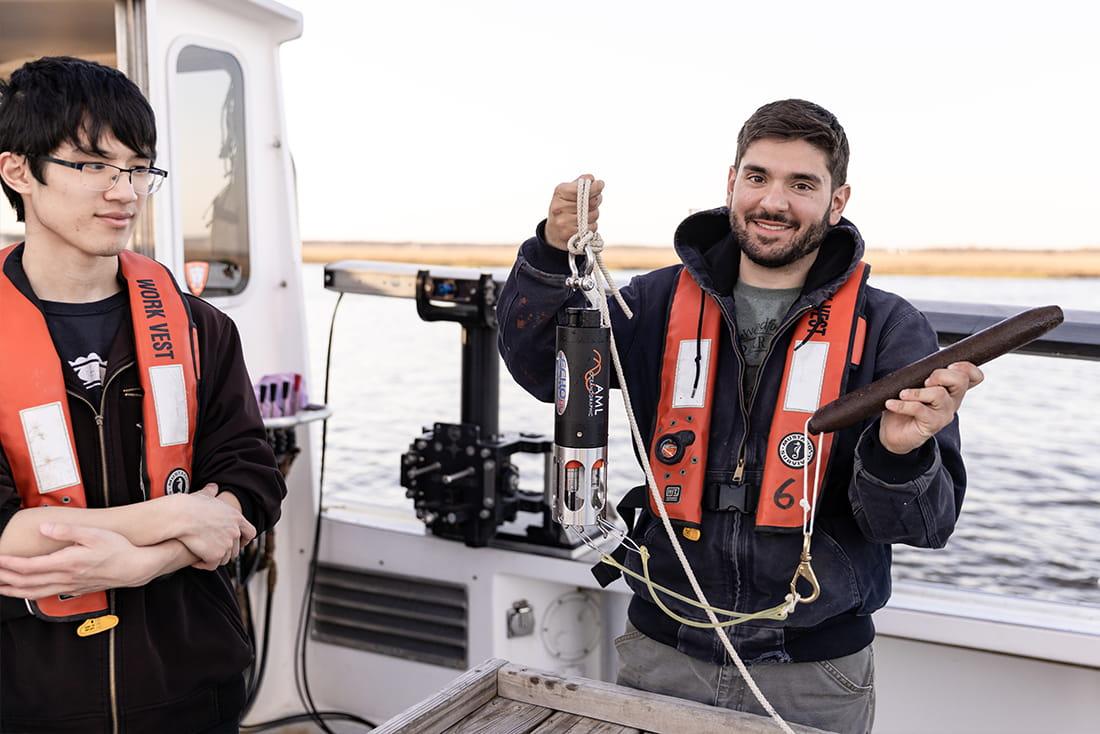
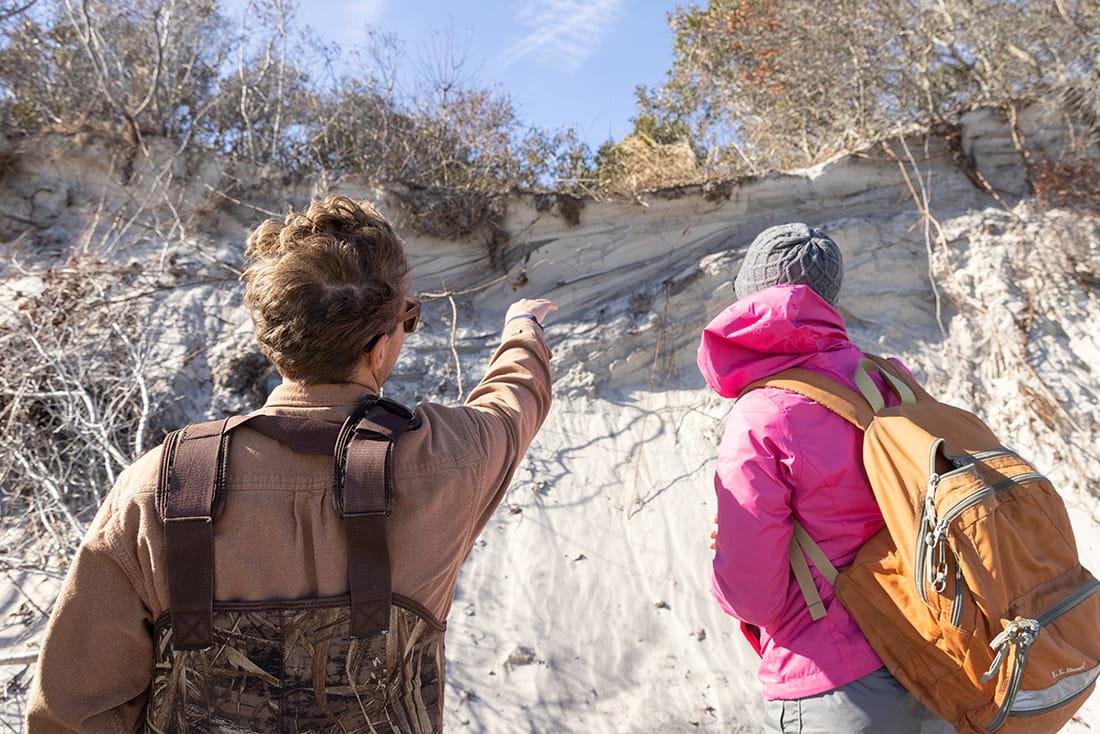
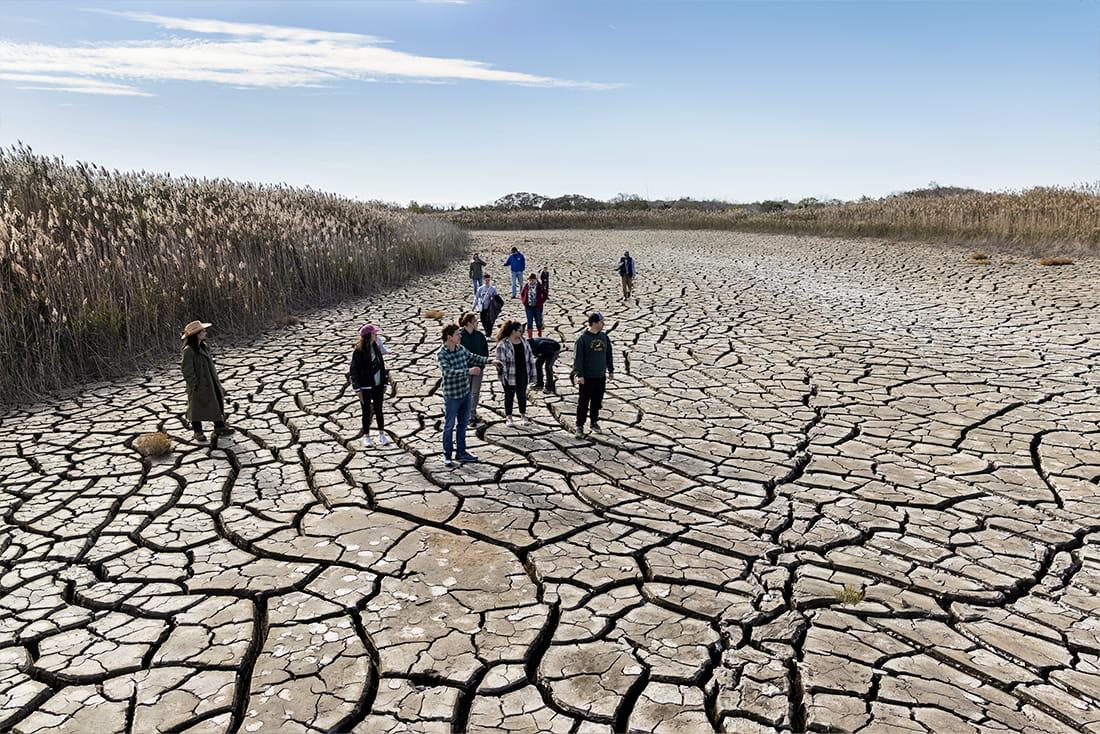
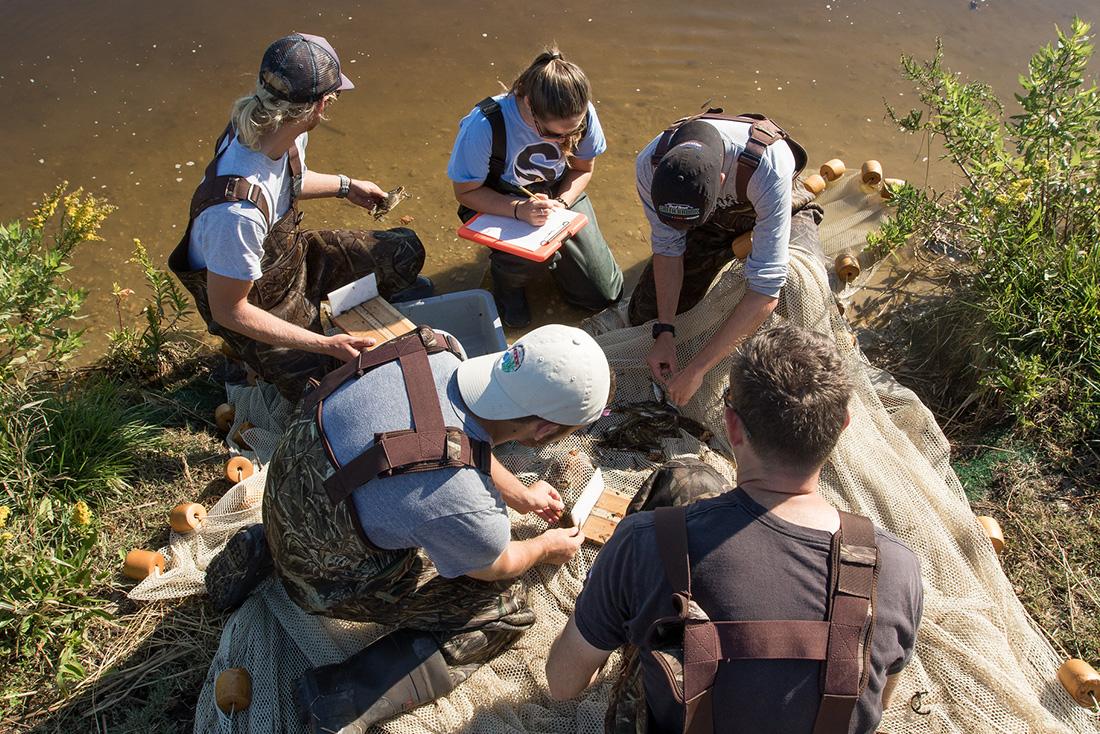
Graduate students can connect their studies with coastal fieldwork, environmental monitoring, data collection and research. Stockton’s Marine Field Station and Coastal Research Center provide resources for work involving coastal ecosystems, shoreline processes and environmental conditions. PSM students complete an applied capstone, while MS students complete a research-based thesis. Certificate students can strengthen their coastal science and management knowledge through graduate coursework without completing a capstone or thesis.
What career paths can graduate study in Coastal Zone Management support?
Graduate study in coastal science, GIS, environmental monitoring and project management can support careers in government agencies, consulting firms, research organizations and environmental groups. Related career paths include environmental scientist, coastal or marine scientist, coastal hazards analyst, marsh restoration project manager, coastal environmental quality coordinator and coastal oceanographer.
Which Coastal Zone Management option is right for me?
The best option depends on your professional goals. The 36-credit PSM is a non-thesis degree focused on applied professional work and includes a capstone project. The 36-credit MS includes a research-based thesis and is designed for students interested in research or further academic study. The 18-credit graduate certificate offers focused study in coastal zone management for professionals who want advanced knowledge without completing a full master’s degree.
Degree and Certificate Options
Stockton University’s Coastal Zone Management graduate program offers three pathways designed for different professional and academic goals.
Professional Science Master’s in Coastal Zone Management (PSM)
The 36-credit PSM is a non-thesis degree designed for students seeking to enter or advance in professional coastal and environmental careers. The program combines advanced coastal zone study with professional development and concludes with an applied capstone project.
Master of Science in Coastal Zone Management (MS)
The 36-credit MS is a research-focused degree for students interested in scientific research, advanced technical work or further academic study. Students complete a faculty-guided research project that culminates in a master’s thesis.
Certificate in Coastal Zone Management
The 18-credit graduate certificate provides focused advanced study without requiring completion of a full master’s degree. It can be a good option for working professionals who want to strengthen their knowledge of coastal science, policy and management or add coastal expertise to an existing career.
All three options provide interdisciplinary study of coastal systems, policy, management and technical methods. Master’s students can further shape their studies through electives related to their professional or research interests.
Program Faculty

Shah Khan
Mark Sullivan
Affiliated full-time faculty (may advise with thesis or capstone research)
Susaan Moskalski
Anna Pfeiffer-Herbert
Christine Thompson
Affiliated adjunct faculty (may advise capstone research)
Steven Hafner
Joseph Lisa
Crist Robine
Jason Simmons
Admission Criteria
Priority Consideration Date:
Fall: July 1
Spring: December 1
While graduate admissions selection committees review applications until the start of the semester (rolling admission), by applying prior to the Priority Consideration Date, you can ensure that your transition to Stockton is as smooth as possible.
Prerequisite Requirements
For persons who hold a baccalaureate degree, the following are the admissions requirements for the Master’s (MS) or Professional Science Master’s degree (PSM) in Coastal Zone Management:
- Complete application packet, including an essay explaining how the degree in Coastal Zone Management fits into the applicant's career goals and a tentative topic of their research (MS) or project (PSM);
- A baccalaureate degree from a regionally accredited institution with an environmentally-related major (e.g., Environmental Science, Marine Science, Earth Science, Chemistry, Biology, or other related majors); transcripts for all colleges/universities attended are required.
- Three letters of recommendation from college/university faculty or from professional colleagues.
- Graduate Record Examination (GRE) is optional. Applicants should have their scores sent directly to Stockton;
- Minimum college/university cumulative grade point average (GPA) of 3.0.
- The TOEFL examination is required of students for whom English is a second language.
- Specific minimum requirements may be waived at the discretion of the CZMT Admissions Committee.
Acceptance into the Coastal Zone Management Program will be based on a review of the entire application packet. Admission to the program is competitive and acceptance is not guaranteed. Students applying to the MS track are strongly encouraged to contact potential thesis advisors or the program chair prior to preparing their application.
Applicants for the graduate certificate in Coastal Zone Management will follow the same admissions guidelines for the Master’s programs. Certificate holders or certificate candidates may choose to matriculate into one of the Master’s tracks with permission of the CZMT Chair and the Admissions Committee.
Admissions Requirements
- Click here to start your application.
- If you are a recent Stockton graduate, check to see if you qualify for the Direct Entry Option.
- Application fee: $50 (non-refundable), submitted with your online application
- Graduate application essay
- Three letters of recommendation sent electronically via the online application
- Graduate Record Examination (GRE) is optional. Scores sent electronically to school code: 2889
- Resume
- Official transcripts from all colleges/universities attended (including Stockton) should be e-mailed by the institution or clearinghouse, mailed or dropped off directly
to the Office of Graduate Admissions:
By mail:
Office of Graduate Admissions, N-Wing 007a
101 Vera King Farris Drive
Galloway, NJ 08205-9441
Electronically:
gradschool@stockton.edu
Admissions FAQ
1. Who can apply for admission into the CZMT-PSM program?
Anyone with a Bachelor's degree from an accredited university with sufficient preparation in general science and mathematics. A BS in a STEM field is recommended.
2. What is the length of the CZMT-PSM program?
The Certificate can be completed in as little as one year, but will typically take 3-4 semesters. The thesis (MS) and non-thesis (PSM) options can be completed in as little as two years at full time enrollment. Individual time to completion may vary according to the number of classes taken per semester and the length of time needed to satisfactorily complete the final project or thesis.
3. Do I need to have a specific degree for admittance into the CZMT-PSM Program?
The CZMT program assumes that incoming students will have a science or engineering background at the bachelor level. Any bachelor’s degree in a science, mathematics, or engineering field is acceptable. Applicants with degrees in non-science fields such as policy or pre-law may also be admitted if the Admissions Committee determines that the applicant has sufficient math and science preparation for graduate level courses.
4. Can I reapply to the CZMT Program if I am not admitted the first time I apply?
5. What is the difference between a PSM and a MS in Coastal Zone Management?
Professional Science Masters in Coastal Zone Management (CZMT-PSM): This non-thesis
option consists of 36 credit hours, including a capstone project, and will prepare
students for work or career advancement in a professional setting.
Master of Science in Coastal Zone Management (CZMT-MS): This option consists of 36
credit hours and includes a research-based thesis. It is intended for students aiming
for further academic study or research. Applicants to the MS track should have a clearly
defined research area. Contacting potential research advisors among the CZMT-affilitated
faculty prior to applying is strongly recommended.
6. When are the applicants notified by the Office of Graduate Admissions as to whether or not they are accepted?
Notification of acceptance or non-acceptance into the CZMT Program is sent to applicants approximately 6-8 weeks after the application is completed.
7. Who can I contact if I have more questions about the CZMT program?
Student Testimonials
Career Information
Coastal Zone Management skills are often embedded in related career paths, including (but not limited to) the following:
- Environmental Scientists/Specialists
- Coastal/Marine Scientists or Project Manager
- Coastal Environmental Quality Monitoring Coordinator
- Marsh Restoration Ecologist/Project Manager
- Estuarine Food Web Analyst
- Coastal Hazards Analyst
- Coastal Oceanographer
- Coastal Wetlands Science and Restoration Ecologist
- Consultant in Coastal/Estuarine Processes and Geomorphology
- Research scientist in Marine Mammalogy and Coastal Ecology
Apply today. If you have further questions you can Request More Information or call the Office of Graduate Admissions at (609) 626-3640 or E-mail gradschool@stockton.edu.
{{ studyArea.title }}
{{ studyArea.type }}