The Communication Studies program at Stockton University prepares students to understand how messages shape culture and create content across media platforms. Students explore journalism, media production, digital storytelling, public relations, and advertising while learning how communication influences society.
Through media writing, communication theory, and hands-on work in radio, television, and digital media, students gain experience with video, audio, and social media tools. The program prepares graduates for careers in media, marketing, public relations, and related fields.

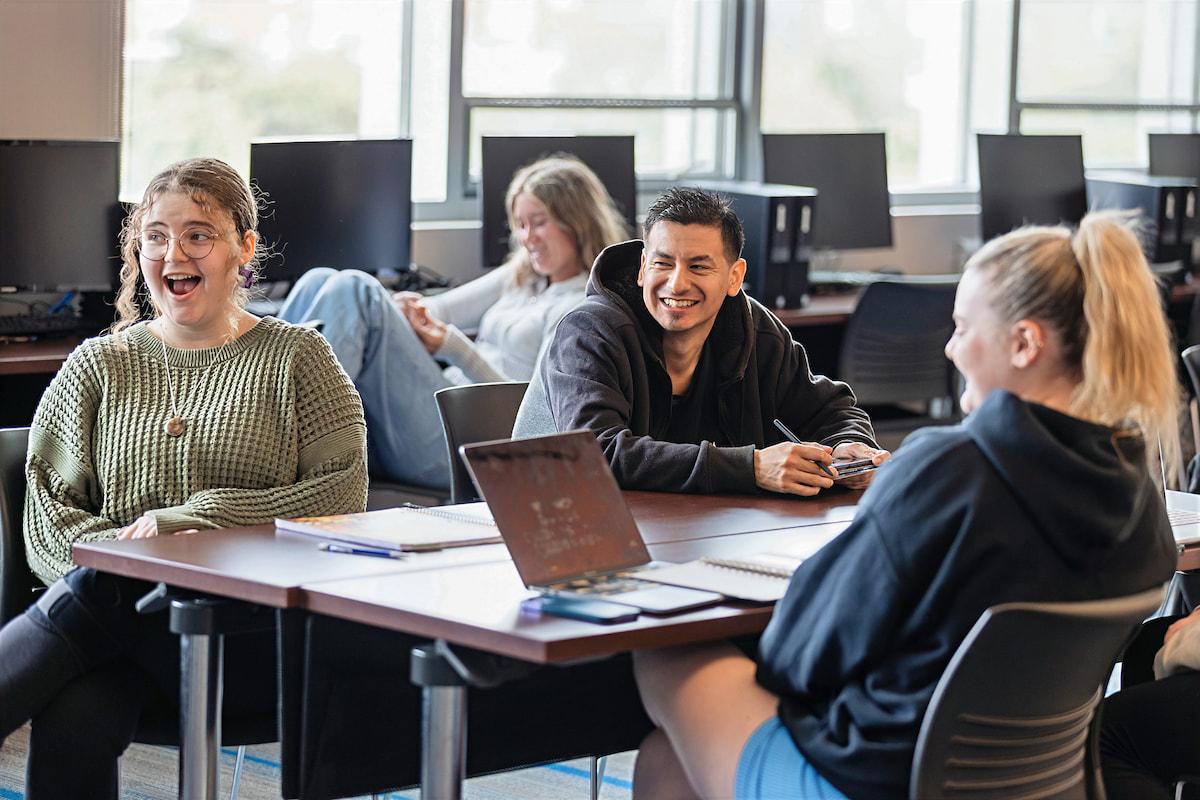

Shape the Future of Media
What can you do with a Communication Studies degree?
A Communication Studies degree from Stockton University prepares students for careers in journalism, media production, public relations, advertising, and digital marketing. Students develop skills in media writing, audience analysis, and strategic messaging that apply to roles in social media management, broadcasting, corporate communication, and content creation across industries.
What concentrations are available?
Students can choose from three concentrations: Journalism and Community Storytelling, Media Production, and Public Relations and Advertising. Each path focuses on different communication skills such as reporting and news writing, video and audio production, or campaign strategy and brand messaging while still building a strong foundation in communication theory and media analysis.
How hands-on is the Communication Studies program?
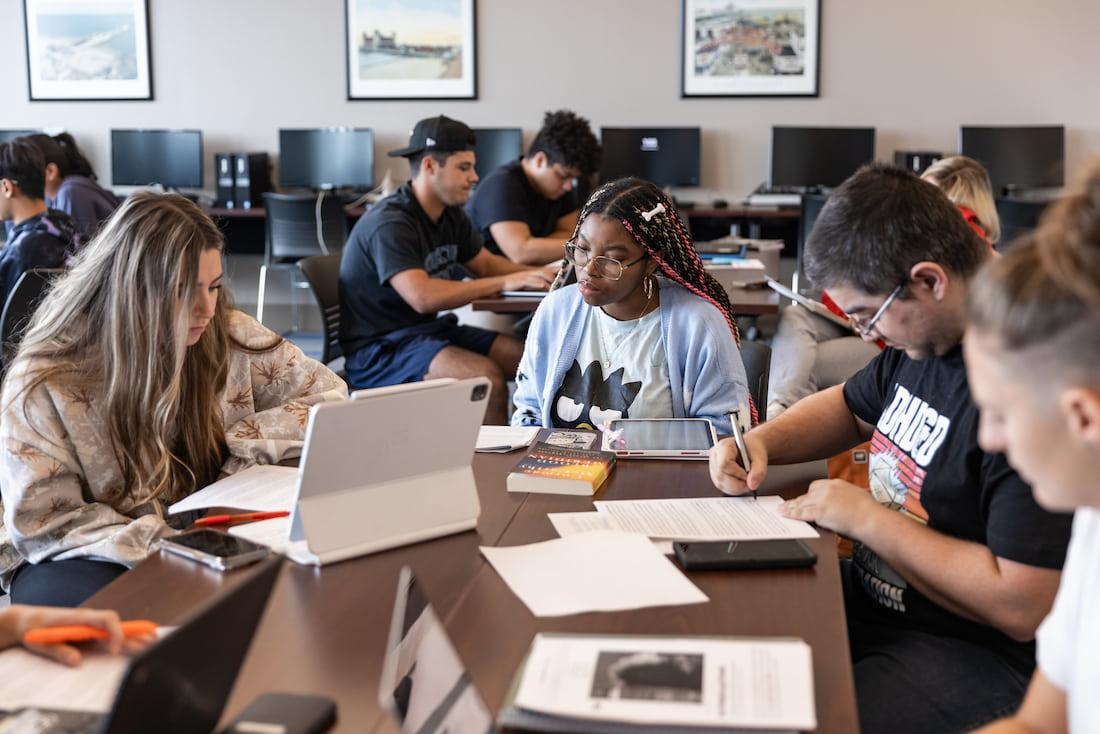
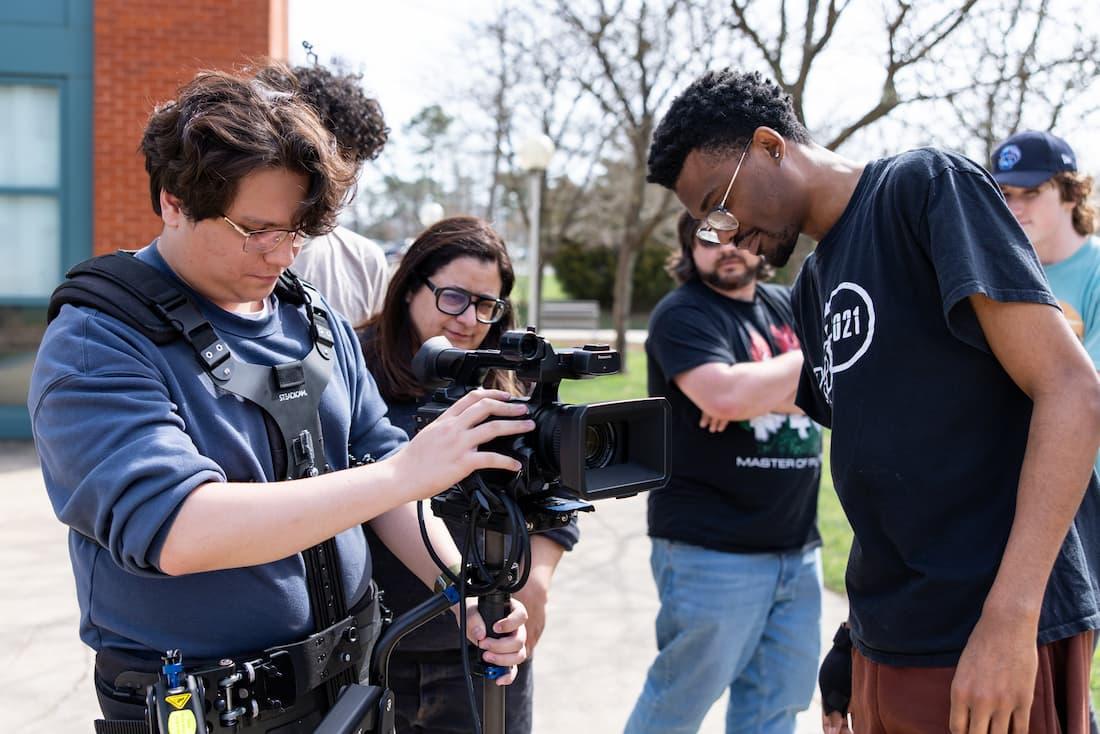
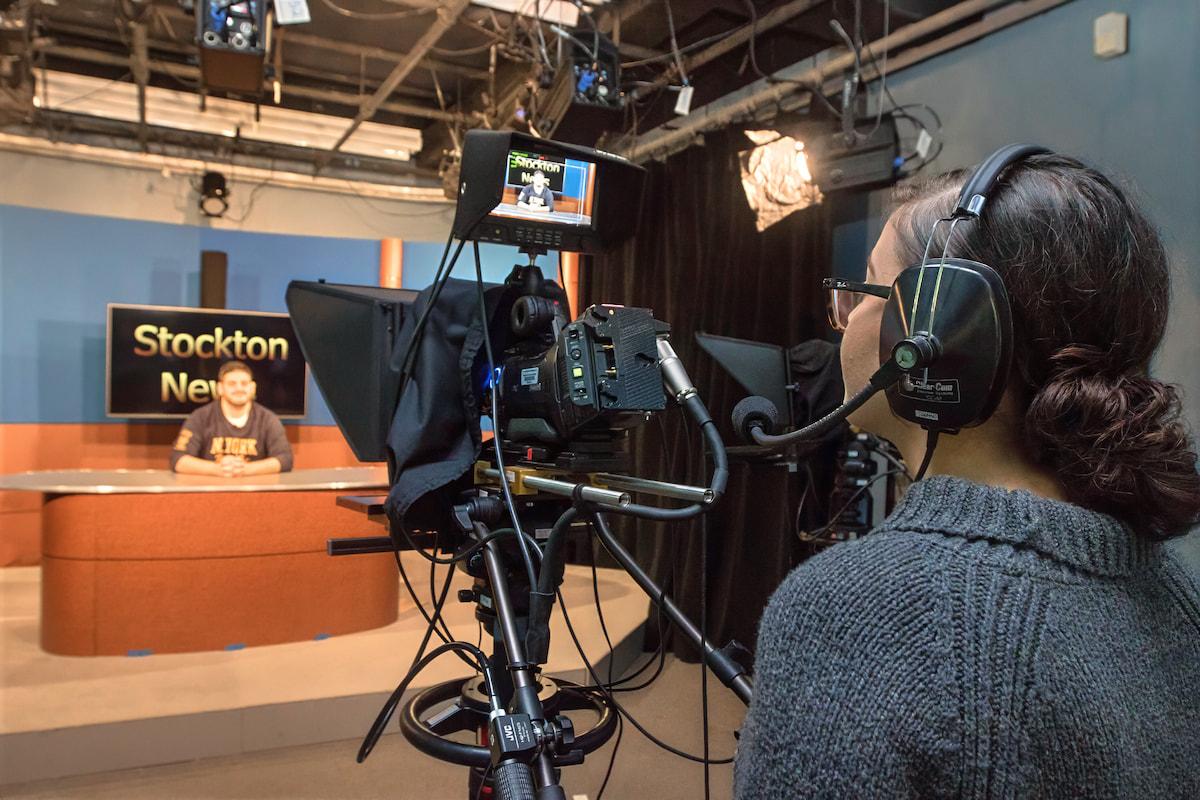
The program emphasizes applied learning through hands-on projects, internships, and campus involvement. Students gain experience in radio broadcasting, television production, digital storytelling, and social media content creation while working with tools like video editing software, audio equipment, and publishing platforms.
Are there internship opportunities available?
Yes, students complete internships with media organizations, public relations firms, nonprofits, and corporate communication teams. Opportunities may include working with regional news outlets, marketing agencies, or campus media such as the radio station WLFR and the TV Community Partnerships, helping students build professional experience and industry connections.
What skills will students develop in this program?
Students develop skills in media writing, visual communication, and digital content production. They also learn critical thinking, audience analysis, and strategic communication planning, which are essential for careers in journalism, media production, public relations, advertising, and digital marketing.
Program Faculty

Jeremy Newman
Jeremy Newman
Program ChairAssociate Professor of Communication Studies
BIOGRAPHY
Jeremy Newman has directed numerous documentary and experimental videos. His work is frequently shown at film festivals and has also aired on several PBS stations.
WEBSITE
EDUCATION
MFA, The Ohio State University
AREAS OF EXPERTISE
Documentary video, experimental video, and television production
SCREENINGS, BROADCASTS AND EXHIBITIONS
Anthology Film Archives. New York, NY.
Cambridge Community Television. Cambridge, MA.
Cine Pobre Festival. La Paz, Mexico.
Community Broadcasting Foundation. Sydney, Australia.
Crown Heights Film Festival. Brooklyn, NY.
Festival de Cannes Short Film Corner (with Christine Farina). Cannes, France.
Festival Images Contre Nature. Marseille, France.
Festival Temps D’Images. Lisboa, Portugal.
Fine Arts Film Festival. Venice, CA.
NJ Arts Annual. Newark, NJ.
Nyack Film Festival. Nyack, NY.
Portobello Film Festival. London, England.
Transfera TV. Madrid, Spain.
Traverse Vidéo. Toulouse, France.
Wellington Underground Film Festival. Wellington, New Zealand.
West Virginia Mountaineer Short Film Festival. Morgantown, WV.
RECENT FILMS
Nanticoke Lenni-Lenape Tribal Nation (Working title). Documentary. In Progress.
A Cosmos of Patterns. Documentary. 2014.
City in a Garden. Experimental. 2014.
Living Things. Experimental. 2013.
The Amnesiac’s Birthday. Documentary. 2011.
PROFESSIONAL AFFILIATIONS
University Film & Video Association

Huixin Deng
Huixin Deng
Assistant Professor of Communication Studies
BIOGRAPHY
Dr. Huixin Deng is a Tenure-Track Assistant Professor of Digital Journalism in the Communication Studies Program. Dr. Deng started her journalism career in her freshman year, covering news in academic affairs for her college newspaper.
From then on, she had served as a writer, an editor, and an on-camera reporter for various student media outlets at her alma mater and had won national awards for her human-interest reporting. Prior to joining academia, Dr. Deng was a full-time journalist working in New York City, where she wrote and published approximately 120 news articles in the automotive, fintech, and fashion industries within one year. An advocate for community-engaged journalism, Dr. Deng aims to bring her real-world experiences to the classroom and train her students to be critical thinkers as well as responsible citizens.
Besides teaching and practicing journalism, Dr. Deng is dedicated to social scientific research. Her latest research agenda includes social media activism, political communication, and science/healthcare communication. While pursuing her Ph.D. degree in communication, Dr. Deng expanded her scholarly interests in sociology and psychology to advance her understanding of communication theories and has since received extensive training in statistics and quantitative methodology.
In her spare time, Dr. Deng enjoys playing the piano and going to the beach. She speaks Mandarin Chinese, Cantonese, and Hakka.
EDUCATION
Ph.D., University of Miami (Specialization: Communication and Media Studies)
M.S., Columbia University Graduate School of Journalism (Specialization: Data Journalism)
B.S.C., University of Miami (Major: Broadcast Journalism; Minor: Communication Studies; Education; English Literature)
AREAS OF EXPERTISE
Community Journalism; Social Media; Media Law and Ethics
COURSES
Principles of Journalism; Social Media Internship; Journalistic Writing
PUBLICATIONS
Deng, H. (2024, August 8-11). Does Gender Identity Play a Role in Immigration Activism on TikTok [Conference Presentation]. Association of Education in Journalism and Mass Communication 107th Annual Conference, Philadelphia, PA, United States.
Deng, H. (2023, October 29 -November 2). Extending Reporting Outside of Campus [Conference Presentation]. Fall National College Media Convention, Atlanta, GA, United States.
Deng, H. (2023, October 29 -November 2). Rebuilding the Newsroom from Scratch [Conference Presentation]. Fall National College Media Convention, Atlanta, GA, United States.
Deng, H., Seelig, M. I., & Sun, L. Y. (2022). Understanding Chinese international students’ perception of flu vaccination on U.S. college campuses. Journal of American College Health, 1–9. https://doi.org/10.1080/07448481.2022.2103381
Seelig, M. I., Deng, H., & Liang, S. (2022). A frame analysis of Climate Change Solutions in Legacy News and Digital Media. Newspaper Research Journal, 43(4), 370–388. https://doi.org/10.1177/07395329221112391
Seelig, M., & Deng, H. (2022). Connected, but are they engaged? exploring young adults’ willingness to engage online and off-line. First Monday. https://doi.org/10.5210/fm.v27i3.11688
Seelig, M.I., Sun, R., Deng, H., & Pal, S. (2021). Is it all for show? Environmental brand identification on skin care and cosmetic websites. Journal of Marketing Communications, 27(4), 436-456. doi:10.1080/13527266.2019.1685566
PROFESSIONAL AFFILATIONS
Association for Education in Journalism and Mass Communication
National Communication Association
College Media Association
Society of Professional Journalists
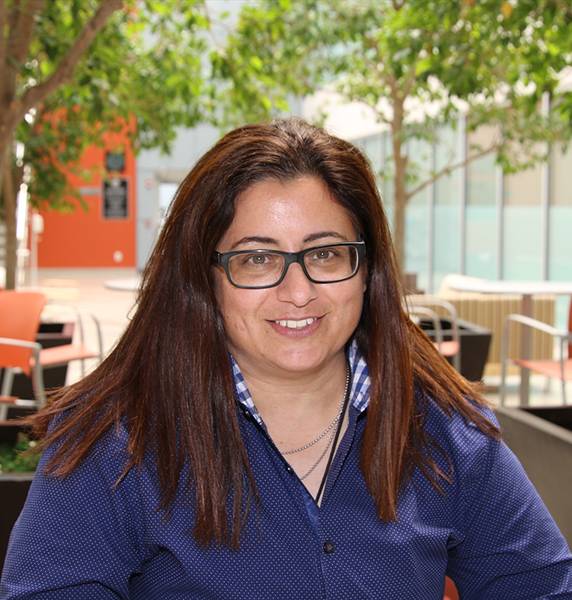
Joe’l Ludovich
Joe’l Ludovich
Associate Professor of Communication Studies
BIOGRAPHY
I am an Emmy-nominated producer and an award winning filmmaker who brings 20 plus years of film and television production experience to the classroom. I utilize my professional experience in producing live television, coordinating and filming documentaries, corporate video and historical re-enactments in the film and television industry to inform my teaching and give students a glimpse into the process of making television, audio, or video productions. I am former WLFR General Manager and adviser of ten years.
WEBSITE
EDUCATION
MFA in Film and Television, Savannah College of Art &Design
AREAS OF EXPERTISE
Live television, Documentary production, Steadicam , Dance on Film, Audio Production, film theory and criticism
SCREENINGS, BROADCASTS AND EXHIBITIONS
Telly Award, Michele Balan: LIVE, Philadelphia, PA 2017
COMM Spotlight Series: Presented “Scratched: the Epidemic of Drugs in Horseracing.” November 5, 2015.
Screened Scratched: The Epidemic of Drugs in the Horseracing Industry, May 16, 2014, Collingswood Public Library
The Filmmakers and Author Series @ Collingswood Library, Collingswood, NJ-screened “The Brian Dennis Project,” August 26, 2010
(2) Telly Award Finalist (2008). “Man with the Magic Hands.”
Telly Award Winner (2001). Philly LIVE, interview with tennis legend Martina Navratilova
Telly Award Finalist (2000, 2002). Philly LIVE.
Pennsylvania Association of Broadcasters Award (2002). Philly LIVE.
The Albany International Film and Video Festival, New York
Short Attention Span Film and Video Festival, San Francisco
CAL Arts, Los Angeles
Anthology of Film Archives, New York
Georgian Court University- The Story Between the Pages. Invited screening
NJCA-The New Jersey Communication Association-13th Annual Conference, presented Bringing the Ethos of the Apprenticeship Back to the Liberal Arts Education: Infusing the Respect for the Skill, Art and Technique of the Moving Image. Chair of panel
RECENT FILMS
Cradle, short dance film listed on www.imdb.com Internet Movie Database
Off the Track to a Second Chance. Video documentary. 2012.
The Brian Dennis Project. Video documentary. 2009.
PROFESSIONAL AFFILIATIONS
College Media Advisers
New Jersey Broadcasters Association (NJBA)

Christina M. Morus
Christina M. Morus
Associate Professor of Communication Studies
BIOGRAPHY
Dr. Christina M. Morus (PhD University of Georgia, 2005) is an Associate Professor of Communication & Genocide Studies at Stockton University. She was a Fulbright Scholar in residence at the University of Belgrade’s Faculty of Political Sciences and the Center for Women’s Studies in 2009 and continues to serve as a volunteer and activist with Belgrade’s Women in Black, and Belgrade’s DAH Theatre.
At the core of her scholarship and pedagogy is the critical consideration of pre- and post-conflict discourses with attention to media, politics, popular thought and public memory. Her work centers mainly on the 1990s wars in the former Yugoslavia, with some attention to the 1994 Rwandan Genocide, the Khmer Rouge Genocide in Cambodia, the Genocide of Guatemala’s Maya, and the struggle against Apartheid in South Africa. Her past projects considered the impacts of Serbian historical narratives, as they are embedded within a range of public discourses, on the normalization of violence that accompanied the 1990s wars in the former Yugoslavia. Her current research considers the impacts of historical narratives on post-war discourses and the extent to which they influence regional sustainable stability and social repair. She is presently working on a book – a ten-year longitudinal study focusing on public memory and the Srebrenica Genocide. The study critically analyzes the ways in which locally-originating grassroots civil society organizations in Serbia and Bosnia are affecting post-conflict transition through carefully crafted, consciously counter-hegemonic, vernacular rhetorical strategies deployed in public space.
EDUCATION
Ph.D., University of Georgia
AREAS OF EXPERTISE
The Rhetoric of Mass Violence & Genocide;
The break-up of Yugoslavia, The Bosnian War & its aftermath;
Gender & War;
Discourses of Memory;
The Rhetoric of Social Change;
Discourses of Gender, Race, Class & Ethnicity
SELECTED RECENT RESEARCH & PUBLICATIONS:
Morus, Christina M, (2012) War Rape and the Global Condition of Womanhood: Learning from the Bosnian War. In Rape as an Instrument of War and Genocide (J. Roth & C. Rittner Eds.) Paragon House publishers.
Morus, Christina M. (2011) Half the Sky: Considering the Audience-conscious Rhetorical Strategies of Nicholas Kristof & Sheryl WuDunn. Expositions – An interdisciplinary journal of Ethics, 5 (2) (Fall 2011).
Morus, Christina M. (2010) Bosnia: Violence Born of History, History Born of Violence. in L. Barria & S. Roper, Eds. The Development of Institutions of Human Rights: A Comparative Study. (Palgrave MacMillan Publishers).
Morus, Christina M. (2007) The SANU Memorandum: Intellectual Authority and the Constitution of an Exclusive Serbian “People,” Communication and Critical/Cultural Studies Journal, 4, (2) (142 – 165).
Morus, Christina M. (2007) Slobo the Redeemer: The Rhetoric of Slobodan Milosevic and the construction of the Serbian “people,” Southern Communication Journal, 72, (1) (1 – 20). Lead Article
BOOK REVIEWS:
Morus, Christina M. Review of Genocide: Truth, Memory and Representation. Hinton, Alexander L., and O'Neill, Kevin L., eds - Journal of Peace and Social Justice Studies. (January, 2011).
Morus, Christina M. Review of War, Conflict & Human Rights: Theory & Practice. Sriram, Chandra L.; Martin-Ortega, O. & Herman, J. In Human Rights Quarterly, 32 (4) (November 2010)
ENCYCLOPEDIA & DIGITAL DATABASE ENTERIES:
Morus, Christina M. (2013). Bosnian Genocide: Overview. In Modern Genocide: Understanding Causes and Consequences. Retrieved November 6, 2013, from http://moderngenocide.abc-clio.com/
Morus, Christina M. (2013). Bosnian Genocide: Causes. In Modern Genocide: Understanding Causes and Consequences. Retrieved November 6, 2013, from http://moderngenocide.abc-clio.com/
Morus, Christina M. (2013). Bosnian Genocide: Consequences. In Modern Genocide: Understanding Causes and Consequences. Retrieved November 6, 2013, from http://moderngenocide.abc-clio.com/
Morus, Christina M. (2013). Bosnian Genocide: Perpetrators. In Modern Genocide: Understanding Causes and Consequences. Retrieved November 6, 2013, from http://moderngenocide.abc-clio.com/
Morus, Christina M. (2013). Bosnian Genocide: Victims. In Modern Genocide: Understanding Causes and Consequences. Retrieved November 6, 2013, from http://moderngenocide.abc-clio.com/
Morus, Christina M. (2013). Bosnian Genocide: Bystanders. In Modern Genocide: Understanding Causes and Consequences. Retrieved November 6, 2013, from http://moderngenocide.abc-clio.com/
Morus, Christina M. (2013). Bosnian Genocide: International Reaction. In Modern Genocide: Understanding Causes and Consequences. Retrieved November 6, 2013, from http://moderngenocide.abc-clio.com/
Morus, Christina M. (2013). Crimes Against Women. In Modern Genocide: Understanding Causes and Consequences. Retrieved November 6, 2013, from http://moderngenocide.abc-clio.com/
Morus, Christina M. (2013). Sexual Violence Against Women. In Modern Genocide: Understanding Causes and Consequences. Retrieved November 6, 2013, from http://moderngenocide.abc-clio.com/
Morus, Christina M. (2013). Women in Black. In Modern Genocide: Understanding Causes and Consequences. Retrieved November 6, 2013, from http://moderngenocide.abc-clio.com/
Morus, Christina M. (2013). Stasa Zajovic. In Modern Genocide: Understanding Causes and Consequences. Retrieved November 6, 2013, from http://moderngenocide.abc-clio.com/
Morus, Christina M. (2013). DAH Theatre. In Modern Genocide: Understanding Causes and Consequences. Retrieved November 6, 2013, from http://moderngenocide.abc-clio.com/
Morus, Christina M. (2013). Humanitarian Law Center. In Modern Genocide: Understanding Causes and Consequences. Retrieved November 6, 2013, from http://moderngenocide.abc-clio.com/
Morus, Christina M. (2013). Mothers of Srebrenica. In Modern Genocide: Understanding Causes and Consequences. Retrieved November 6, 2013, from http://moderngenocide.abc-clio.com/
SELECTED RECENT CONFERENCE PAPERS:
“Colonization, Imagination and the Nationing of Dubrovnik: A Critical Consideration of Images of the ‘Homeland War’ and the Shifting identity of the Ancient Jewel of the Adriatic” - Lines Between: Culture and Empire in the Eastern Mediterranean, June 03 – 06, 2015, Nicosia, Cyprus
"Performing Absence as Presence in Post-traumatic/Post-conflict Commemoration." – National Communication Association Conference, November 2013, Washington, DC
"Sights of Conflict, Aggression, and Transformation: Vernacular Visual Tactics in the struggle for post-conflict Memory". George Gerbner Conference on Communication, Conflict, and Aggression - Budapest, Hungary June 2013
"Locating Invisible Agents of War: A Critical Consideration of the Bosnian War’s Militarized Women" - The Politics of Location Revisited: 8th European Feminist Research Conference, May 2012, Budapest, Hungary
"Locating local feminist activism in a transnational feminist landscape: Gender, Agency and the struggle for memory in the aftermath of the Bosnian war"- The Politics of Location Revisited: 8th European Feminist Research Conference, May 2012, Budapest, Hungary
"Invisible Agents of War: 'Seeing' Women’s War Aggression as a crucial next step in Gender & Conflict Studies" -- Gendered Memories of War & Political Violence Conference, May 2012, Istanbul, Turkey
"The Peace March – Srebrenica 2010: A Case Study of the Effects of Locally Originating solutions for Post-Conflict Transition" -- 2011 Day of Scholarship, March 2011, Richard Stockton College, NJ
"Serbia’s Women in Black: Always Disobedient to Patriarchy – A Transnational Feminist Critique" – National Communication Association Conference, November 2010, San Diego, CA,
"Teaching Genocide as more than The Holocaust" – Religious Communication Association pre-conference, November 2010, San Francisco, CA
"Understanding Media & Militarization" – Anti-militarism Conference, Belgrade, Serbia
"Women in Black: The Perils of remaining 'Always Disobedient to Patriarchy'” – 2010 Day of Scholarship, Richard Stockton College
"War Rape in Bosnia" – Scholar’s Seminar on Genocidal Rape, March, 2010, Philadelphia, PA
PROFESSIONAL AFFILIATIONS
National Communication Association
Fulbright Scholars Alumni Association
Organization for Research on Women and Communication
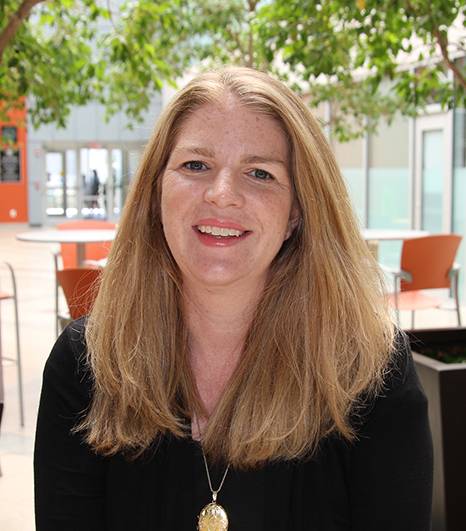
Toby Rosenthal
Toby Rosenthal
Teaching Specialist, Communication Studies
BIOGRAPHY
With a foundation in professional broadcast journalism and a strong academic background from Columbia University’s Graduate School of Journalism, Toby went on to become an early producer of reality-documentary style television content for various national networks and continues to contribute to this genre as it evolves in a rapidly changing digital media landscape. She brings to Stockton the marketplace knowledge, systems, and best practices students can expect in professional production.
Toby has nearly 20 years of professional storytelling experience and since 2015 has been developing courses and teaching at Stockton. She has contributed to the reshaping of the Communication Studies mission and future goals, including seeking more student opportunities in our community and strengthening the program’s branding and image.
Her teaching philosophy fuses practical experience, current events, as well as historic and academic context.
EDUCATION
Columbia University in the City of New York, School of Journalism
M.S. Journalism, Broadcast Concentration 2003
Thesis: “Just a Click Away: Teaching Computers to Seniors”
Advisor: David Klatell
University of Maryland, College Park
B.A. Criminology and Criminal Justice, 1999
Citation Earned - College Park Scholars - Advocates for Children, 1997
AREAS OF EXPERTISE
Digital Storytelling
Broadcast Journalism
Video Production
Reality TV
SCHOLARLY AND CREATIVE ACTIVITY
2018 - Reflections and Remembrance: Helen Kejzman - Produced and edited a short form life story video of Holocaust survivor Helen Kejzman for Cumberland County College. This video also aired on The Stockton Channel during the week of Yom Hashoah, in April 2018.
2009 - From Despair, Hope – Story Producer
This half hour film tells the life stories of three Holocaust survivors from Atlantic County who had different experiences during the Third Reich. Ernest Paul was in the resistance, Eta Hecht was a hidden child, and Rella Roth was in Auschwitz-Birkenau as well as other camps.
2009- Rails of the Holocaust: A Journey to Stockton College -Story Producer
This 10-minute film details the journey of the railroad tracks featured in the architecture of the Sara and Sam Schoffer Holocaust Resource Center from Bialystok, Poland to Stockton. The film explains the importance of railroads to the "Final Solution."
2007- Alone No More: A Community Assists Holocaust Survivors – Story Producer
This 11-minute film highlights the efforts of the Sara and Sam Schoffer Holocaust Resource Center and Jewish Family Service of Atlantic & Cape May Counties to aid in providing services to Holocaust survivors.
PROFESSIONAL EXPERIENCE
Restaurant: Impossible - Food Network – Story Producer 2011-2016
Food Feuds – Food Network – Story Producer 2010
Deliver Me - Discovery Health Channel, Producer & Writer 2007-2009
Surviving Motherhood – TLC, Turning Producer 2006-2007
Epicurious – Travel Channel, Field & Post Producer 2004–2005
Ambush Makeover – Fox TV, Casting Director & Producer 2003-2005
A Wedding Story – TLC, Researcher and Field Producer 2005
Third Floor Video, LLC Managing Member/Producer - 2009-present
NBC 40 News WMGM TV - Linwood, NJ
News Managing Editor, News Reporter 1999-2002
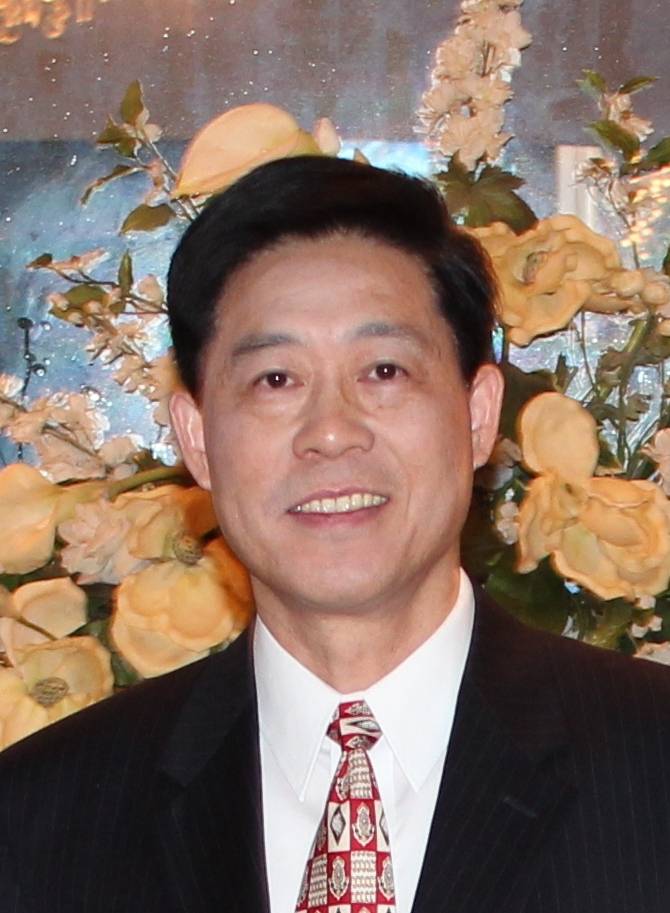
James JinGuo Shen
James JinGuo Shen
Professor of Communication Studies
BIOGRAPHY
Dr. James Shen is Full Professor of Communication. Since he joined the Stockton faculty in 1997, he has offered more than a dozen courses for both undergraduate and graduate students.
Dr. Shen was head of the Communication Studies Program from fall 1998 to spring 2006. He taught and advised hundreds of students of different cultural background, including many transfer students, minority students, and international students from Albania, Bulgaria, Canada, China, Croatia, Germany, Greece, India, Indonesia, Iran, Lithuania, Lebanon, Nigeria, The Philippines, Poland, Russia, Romania, Serbia, South Korea, Taiwan, Ukraine, Venezuela and Vietnam. With his advice and recommendations, more than 65 communication seniors got admitted into graduate schools.
Being Coordinator of Stockton’s Communication Internship Program (off-campus), starting from summer 1998 to present, Dr. Shen has sent out more than 800 junior and senior students to pre-employment positions in a variety of media and non-media businesses in Atlantic City, Philadelphia, New York City, and other regional areas. He also recommended many students for Washington D.C. internship, and overseas studies.
EDUCATION
Ph.D., Ohio University
AREAS OF EXPERTISE
Mass and international communication, telecommunications and computer-mediated communication (CMC), historical journalism, critical cultural studies, Asian and international affairs.
PUBLICATIONS
“Beyond media power: Post-Socialist China vs. Post-industrial USA in International Communication.” Proceedings of the 18th ACPSS International Conference, University of Pittsburgh, Pittsburgh, Pennsylvania, 2012.
“Media Trial and Conflict Management: Critical Challenges to a Rising China in International Communication.” Proceedings of the 17th ACPSS International Annual Conference, School of International and Public Affairs, Weatherhead East Asian Institute, Columbia University, New York City, 2011.
“Harmony, Congagement and Chinamerica: Reflections on the 21st century Sino-American strategic communication.” Proceedings of the 16th ACPSS International Annual Conference on Engaging China: Sino-American Relations, Sustainable Development and Beyond, Kennedy School of Government, Harvard University, 2010.
“International Communication: An Asian Perspective and Challenges.” Human Communication 14.3 (2011): 301 - 311.[1]
“International Communication.” Critiques of Communication Studies in the West: History, Development and New Frontiers. Beijing: Renmin University Press, 2007.
“论争、调和与合作间的传播交流:美籍华人学者在美中关系中的战略作用刍议。” 美籍华人与美中关系。Beijing: Xinhua Press, 2004.
"Communicating through Conflict, Compromise and Cooperation: the Strategic Role of Chinese-American Scholars in the U.S.-China Relationship." The Expanding Roles of Chinese Americans in U.S.-China Relations: Transnational Networks and Trans-Pacific Interactions. Eds. P. Koehn and X. Yin. NY: M.E. Sharpe, 2002.
"Computer-mediated Communication: Internet Development and New Challenges in China." Chinese Communication Theory and Research: Reflections, New Frontiers, and New Directions. Eds. W. Jia, L. Xing and D. Heisey. Westport, CT: Greenwood, 2002.
"Rethinking Journalism Education in China: A Transnational Perspective." Journalism and Social Change in Asia, Hong Kong: HK Baptist University Press, 1998.
"Dual Cultural Reading and Televisual Experience of Chinese Students in the United States." Communication Studies in Mainland China. Taipei, Taiwan: National Chengchi University Press, 1995.
"The Rise and Fall of The World Economic Herald, 1980-1989," Journalism & Mass Communication Quarterly, 72 (Autumn 1995): 642-53.
[1] An earlier version was presented at the 8th PACA Biennial Conference: Communication Encounters across Cultures, Shenzhen University, July, 2010. It received The 2010 PACA Best Paper Award from the Pacific and Asian Communication Association.
PROFESSIONAL AFFILIATIONS
Current: Association for Chinese Communication Studies (ACCS, an NCA affiliate)
Association of Chinese Professors of Social Sciences in the U.S. (ACPSS)
Past: National Communication Association (NCA)
Speech Communication Association (SCA)
Association for Education in Journalism and Mass Communication (AEJMC)
International Communication Association (ICA)

Xu Song
Xu Song
Associate Professor of Communication Studies
BIOGRAPHY
Xu (Bevin) Song, Ph. D., is an Associate Professor of Public Relations in the Communication Studies program. He earned his Doctoral degree in Public Communication and Technology from Colorado State University (Fort Collins, CO). His research interests include public relations and strategic communication, entertainment PR, health communication, quantitative research methods, professional and technical communication, ethnic and racial studies, and communication technology adoption. He teaches and assists in teaching courses offered in the PR and Advertising Study Track. He also teaches the professional communication course for the General Studies program.
EDUCATION
Ph.D., Colorado State University
AREAS OF EXPERTISE
Public relations, professional and technical communication, quantitative research methods,communication technology adoption.
RECENT RESEARCH PUBLICATIONS AND PRESENTATIONS
Song, X., & Yin, S-Y. (2022). Social Justice, Modern Racism toward Asians, and Counterargument Intention. Presented at the 2022 Annual Conference of the International Association for Media and Communication Research (IAMCR), Beijing, China, and virtual, July 11-15, 2022.
Song, X., & Yin, S-Y. (2022). Investigating the Effects of Argumentativeness and Alternative Argumentativeness on College Students’ Behavioral Intention to Respond to a Racially Biased Expression. Presented at the 113th annual convention of the Eastern Communication Association (ECA) in Philadelphia, PA, April 7-9, 2022.
Gu, Y., Kalibatseva, Z., & Song, X., & Prakash, S. (2022). Effective Use of Online COVID-19 Information and eHealth Information Literacy among US University Students. Journal of American College Health. ahead-of-print(ahead-of-print), 1–8. doi: 10.1080/07448481.2022.2080505
Song, X., & Christen, C. (2021). Exploring Effects of Gender and Instant Messaging Experience on Organization-Customer Live Chat Communication. Presented at the 104th annual conference of the Association for Education in Journalism and Mass Communication (AEJMC), virtual, August 4-7, 2021.
Gu, Y., Kalibatseva, Z., & Song, X. (2021). Effective Use of Online Depression Information and Associated Literacies among US College Students. Health Promotion International, 36(4), 1020-1028. https://doi.org/10.1093/heapro/daaa116
Song, X., & Christen, C.T. (2019). Applying Schema Resonance Model in Live Chat e-Service. Journal of Service Theory and Practice., 29(3), 258–281. https://doi.org/10.1108/JSTP-10-2018-0215
Song, X. (2018). Hollywood Movies and China: Analysis of Hollywood Globalization and Relationship Management in China’s Cinema Market. Global Media and China, 3(3), 177-194. https://doi.org/10.1177/2059436418805538
Song, X., & Christen, C. (2017). E-Service Communication between Organization and Customer: Effects of Schema Resonance on Information Inquiry E-Service. In: Proceedings of the Mediated, Communication, Public Opinion and Society Section of the 2017 International Association for Media and Communication Research, 15-16, Cartagena, Colombia, July 16-20, 2017.
PROFESSIONAL AFFILIATIONS
Association for Education in Journalism and Mass Communication
International Communication Association
International Association for Media and Communication Research
National Communication Association
Eastern Communication Association
Central States Communication Association

Associated Faculty

Donnetrice C. Allison
Donnetrice C. Allison
Professor of Communication Studies and Africana Studies
BIOGRAPHY
Donnetrice C. Allison, Ph.D, currently serves as an associate professor of both Africana Studies and Communication Studies at Stockton University in Galloway, NJ.
Dr. Allison also serves as chair for the Africana Studies Program, and she teaches numerous Africana Studies courses, which include Introduction to Africana Studies, African American Movies, Introduction to Hip Hop Culture, a Seminar on Representations of Race in Media, and a learning abroad course to Senegal, West Africa. In addition to Africana Studies, Dr. Allison also teaches for the Communication Studies program. These courses include: Film Theory and Criticism, Communication Research Methods, Senior Seminar in Communication Studies, Mass Communication Theories, Television and Popular Culture, News and Politics, African Americans on Television, and Women, Minorities, and the Media.
EDUCATION
Ph.D., Howard University
AREAS OF EXPERTISE
Media Images of African Americans, Hip Hop Culture and Identity
PUBLICATIONS
Allison, D. (2017). "The Perpetuation of Racial Stereotypes in American Media". In P. Reid-Merritt (Ed.), Race in America: How a Pseudo-Scientific Concept Shaped Human Interaction, Praeger.
Allison, D. (Ed.). (Jan. 2016). Black Women's Portrayals on Reality Television: The New Sapphire. Lanham, MD: Lexington Books.
“Hip Hop, Identity, and African American Teens.” International Journal of the Humanities 9.6 (2012): 255-262.
“The Academy in Color.” The International Journal of Diversity in Organisations, Communities and Nations 8.4. 101-108.
“Free to Be Me? Black Professors, White Institutions.” Journal of Black Studies 38.4 (2008): 641-662.
Co-authored with Donyale Griffin. “Making a Case for Restorative Rhetoric: Mayor Rudolph Giuliani and Mayor Ray Nagin’s Response to Disaster.” Communication Monographs 77.3 (2010): 376-392.
“Accommodation,” “Acculturation,” and “Adaptation.” Encyclopedia of Identity. Ed. Ronald L. Jackson. Thousand Oaks, CA: SAGE, 2010.
“I wonder if they would say that in HIS classroom.” Teaching Race, Diversity and Social Justice in White Space: Challenges, Implications and Effective Strategies. Ed. Darrell Cleveland. Forthcoming.
PROFESSIONAL AFFILATIONS
National Council for Black Studies
The National Communication Association
Communication Studies Staff
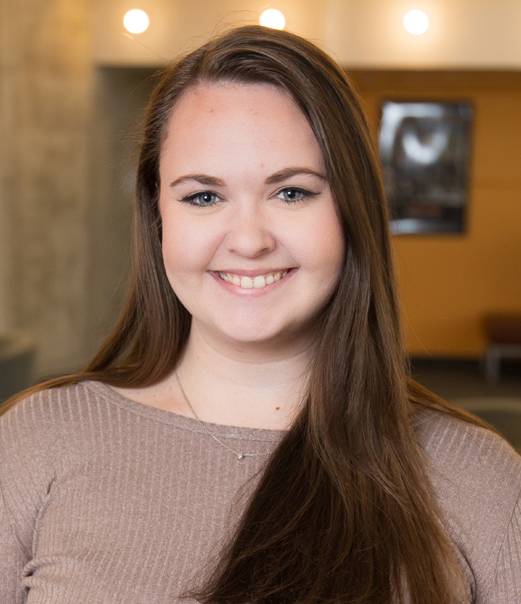
Jordan Knapp
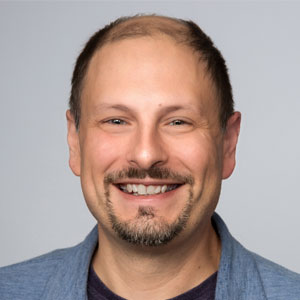
Michael Zubrzycki
Adjunct Faculty
Facilities
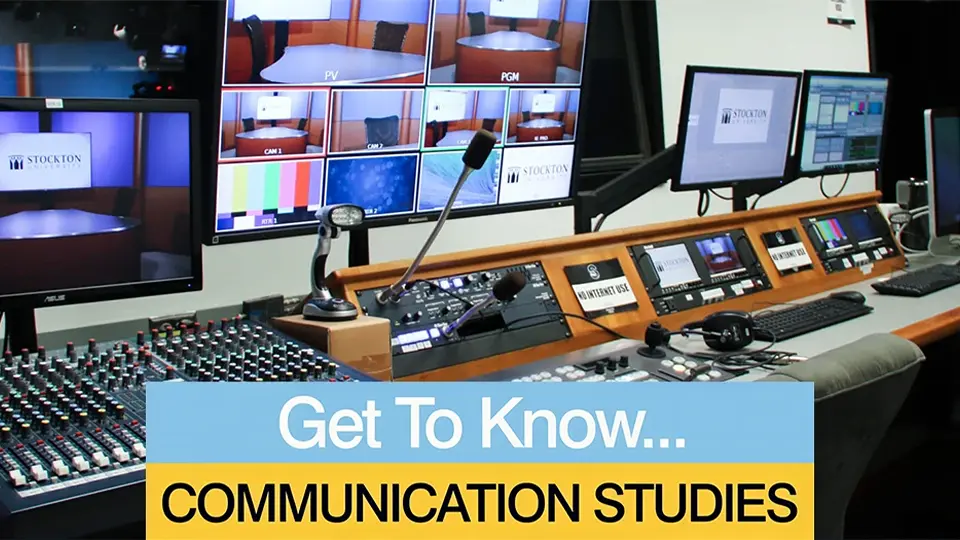
The Community Reporting Innovation Lab gives Communication Studies students at Stockton University a dedicated space to create, collaborate, and produce real-world media projects. In this lab environment, students work on interviews, reporting, photography, videography, and multimedia storytelling while using industry-relevant tools and workflows. Projects often extend beyond the classroom, connecting students with faculty mentors, media professionals, and community partners to produce meaningful, community-centered content. The lab emphasizes hands-on learning, creativity, and problem-solving, helping students build professional skills, expand their networks, and gain experience working on collaborative media projects that reflect today’s evolving landscape of journalism and digital communication.
The Communication Studies program also offers students an opportunity to learn in the HD television studio, Mac lab, and audio recording room.
Engagement Opportunities
Students may obtain pre-professional experiences through internships with local and regional corporate, media, and non-profit organizations. The proximity of Stockton University to Atlantic City and Philadelphia makes it possible to intern in journalism, media production, and public relations and advertising.
Communication Studies skills also apply to internships in arts and culture, government, health care, public affairs, and sports. Students may opt for an on-campus internship with Stories of AC, TV Community Partnership, or the university radio station WLFR. Hands-on journalism experience is available through an internship with the Press of Atlantic City. An internship is required in Communication Studies, and students may take up to two internships for credit. Students may also join the award-winning Public Relations Student Society of America (PRSSA) chapter or the growing Society of Professional Journalists(SPJ) chapter, host their own radio show on WLFR, or contribute to Stockton University’s student-run newspaper, The Argo.

WLFR
WLFR 91.7 FM has been in operation for more than 30 years! We take pride in our diversity of music and shows and strive to bring you programming not found on commercial stations. Students can participate in the WLFR Internship to gain handson experience on the air as well as behind the scenes. Students will also learn about the day-to-day operations of a radio station. WLFR can be found on the web at www.wlfr.fm.

Society of Professional Journalists - Collegiate Institutional Member
Stockton's Communication Studies Program is a Collegiate Institutional Member of the Society of Professional Journalists. The Society of Professional Journalists is the nation’s broad-based journalism organization, dedicated to encouraging the free practice of journalism and stimulating high standards of ethical behavior. The COMM Program hosts innovative student workshops each semester to support professional development.

PRSSA
Stockton’s Public Relations Student Society of America (PRSSA) Chapter was established in May 2013. Since that time, Stockton’s PRSSA chapter has become a powerhouse, providing a range of professional enrichment and community engagement opportunities. Each year, PRSSA students organize a series of successful events, including industry tours, guest speakers, workshops, career and alumni panels, and large-scale networking events. These events have helped quickly establish Stockton PRSSA as a strong organization on campus, in the community, and within the national body. PRSSA students also have the opportunity to participate in national conferences. PRSSA is open to all Communication Studies students and students across campus.
Student Testimonials
After graduation from the Communication Studies program, Emily moved on to become a content creator for FOX 29 News in Philadelphia. Emily got involved with Mighty Writers, a nonprofit based in Philadelphia whose mission is to teach kids to think clearly and write with clarity. Emily now works full-time as a Social Media Manager for Mighty Writers.
"I will forever be grateful for all the opportunities that were presented to me during my time at Stockton."

Communication Studies
Ky Carlin graduated from the Communication Studies program where his concentration was Media Production. Ky is currently the Senior Editor at NBA Wires.
"If it means something to you, you’ll find a way to get it done. If it doesn’t, you’ll find an excuse as to why you couldn’t do it."
Communication Studies
During my time at Stockton, the Communications program opened many doors that led to where I am today. While in the program, I gained experience from internships with the Community TV Partnership, Fox 29, and NBC Sports Philadelphia. Currently, I am working at NFL Films in our Film Lab as a Film Archive Assistant.

Communication Studies
Career Information
{{ studyArea.title }}
{{ studyArea.type }}